The Legacy of the Arckadiyakon
(Archdeacon of the Indian Church)
The title Archdeacon, often mispronounced as Arch-deacon is correctly pronounced Arkdiyakon. To avoid confusion, it may be written as Arckadiyakon, a term meaning head of one set of people in Kerala. For centuries, the highest leadership of the Indian Church rested with a priest holding this post.
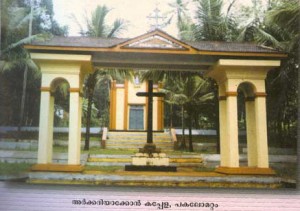
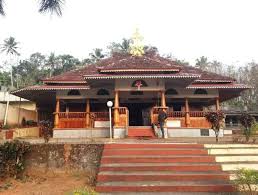
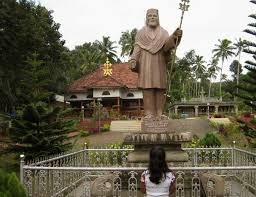
In Kerala, all Archdeacons of India came from a single blessed lineage: the Pakalomattam family. This rare privilege, acknowledged by historians, was a direct blessing of God. It is believed that St. Thomas himself entrusted the leadership to the Pakalomattam family, allowing them to retain this sacred office for generations.
The Archdeacon’s position carried both spiritual holiness and social primacy, serving as a living link to the apostolic mission of St. Thomas in India.
A Hereditary Office of Honour
Following the tradition of the Persian Church, the position of Archdeacon passed down through patrilineal succession, echoing the Levite priesthood of the Old Testament. For nearly 18 centuries, the Pakalomattam family held this leadership- producing hundreds of priests and numerous bishops.
In the Kerala context, the Archdeacon was far more than a church official. He was:
The Archdeacon acted as the Metropolitan’s right hand and, during vacancies, held full spiritual authority over the Church.
Duties and Authority
The Archdeacon’s powers extended beyond the altar. His responsibilities included:
Selecting seminarians
Appointing and transferring priests
Managing church properties
Collecting levies from the faithful
Representing Christians before kings and rulers
Royal insignia, armed bodyguards, and political negotiations were all part of the Archdeacon’s role. Even foreign bishops recognized his authority.
Notable Archdeacons of History
Several Archdeacons from the Pakalomattam family left a lasting mark on Kerala’s Christian heritage:
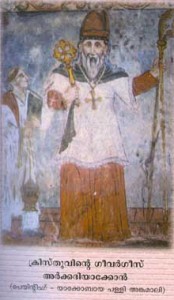
Archdeacon Geevarghese of Christ (d. 1585) – A Biblical scholar and Syriac language expert, he led with holiness and administrative skill.
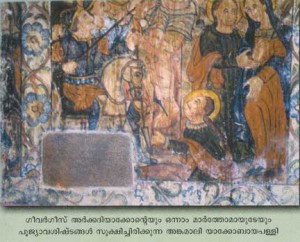
Archdeacon Geevarghese of the Cross (d. 1637) – Guided the Church through Portuguese intervention and the Synod of Diamper; later recognized among Kerala’s 20 greatest historical figures.
Archdeacon Thomas (Marthoma I) – Led the Church during the Coonan Cross Oath of 1653, resisting colonial interference with fierce determination.
The End of the Archdeaconate
By the late 17th century, the post of Archdeacon faded as native bishops rose to leadership. Latinisation and new church hierarchies diminished the role, though the Pakalomattam family continued to produce Marthoma Metropolitans until 1817.
This tradition left behind more than titles; it shaped the democratic church administration and Palliyogam system unique to the Kerala Church.
A Living Heritage
The story of the Arckadiyakon is not just church history, t is a testament to faith, leadership, and the enduring influence of the Pakalomattam family in Indian Christianity.